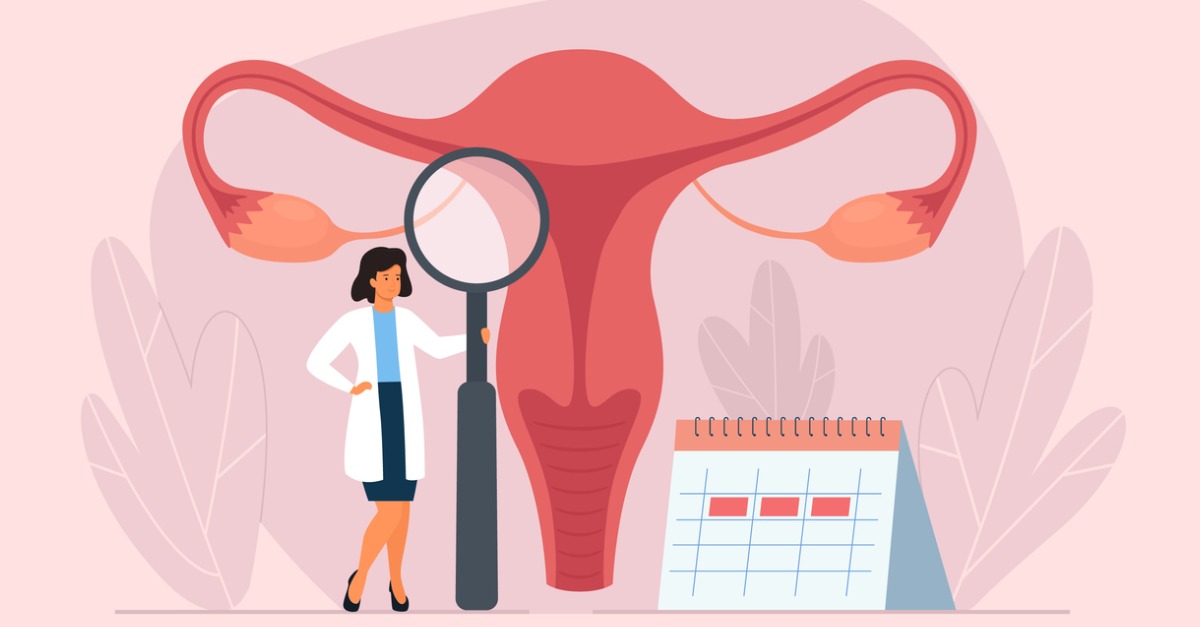
Woman to woman, we know our bodies best. When you take good care of your health, your body can take good care of you, and that begins with keeping up with your regular gynecology wellness exams and screenings. Your annual exam isn’t just a Pap smear. As Dr. Karen Greene puts it on our “Take Good Care” podcast, “The wellness exam, the GYN exam, is really about communication with your doctor.” It’s the one visit each year built around your whole picture, not just cervical cancer screening, and it’s worth keeping even in years when a Pap smear isn’t due.
No Matter Where You’re Starting, You’re in the Right Place
Whether this is your very first gynecology visit or it’s simply been a while, there’s no judgment here. Most young women have their first annual exam in their late teens or early twenties (often before a Pap smear is even due) simply to establish care, ask questions, and get comfortable with the team. And if you’re returning after time away—whether due to a move, an insurance gap, pregnancy, or just life getting in the way—you never need to explain or apologize. Your provider will help you figure out what’s due and rebuild your care from there.
What Happens During Your Annual Visit
A wellness visit gives you the opportunity to check off your most essential screenings in one swoop. Depending on your age, medical history, and current needs, a routine annual exam with us includes:
An Initial Health Conversation
Your visit starts with a discussion of your health since your last appointment: menstrual cycle changes, sexual health, pregnancy planning or prevention, incontinence, digestion, sleep, and stress. This context shapes what your provider looks for during the physical exam.
Complete Pelvic Exam
This includes an external inspection, an internal vaginal exam, a bimanual assessment to check the uterus and ovaries, and a rectal exam. (In-house pelvic ultrasounds are also available when indicated).
Clinical Breast Exam
Your provider manually checks for physical changes, serving as a separate and complementary check separate from mammography. You can also pair this with on-site we in our Sherrie Yaeger Blaha Imaging Suite at our Peachtree City location.
Cervical Cancer Screening
A pap smear and/or HPV test is performed if you are due for one. Not every annual exam includes this step, as screening frequency depends on your specific age and medical history.
Discussion of Additional Screenings
Your provider will review age-and-risk appropriate tests—such as mammograms, bone density scans, cholesterol and thyroid panels, and immunizations—to tailor them to your needs rather than running them automatically every year.
Pap Smears & HPV Testing: How Often You Actually Need Them?
This is the most common source of confusion about the annual exam, and it’s a fair one, since the guidelines have changed more than once. It is also important to note that a Pap smear is a cervical cancer screening and is not the same thing as STI testing. While a Pap smear looks for abnormal cells on the cervix, testing for sexually transmitted infections (like chlamydia, gonorrhea, or trichomoniasis) requires separate swabs or blood work that we are happy to perform during your visit upon request. Per current ACOG cervical cancer screening guidance:
- Age-Based Screening Start: Screenings start at age 21. No testing is needed before then, regardless of sexual activity.
- Ages 21–29 Options: A Pap test alone every 3 years.
- Ages 30–65 Options: Co-testing (a Pap test combined with HPV testing) every 5 years, a Pap test alone every 3 years, or primary HPV testing alone every 5 years. As Dr. Deanna Guthrie explains on our Take Good Care podcast, “If you get a Pap smear alone, you repeat that every three years. If you do a Pap smear with an HPV test, that’s now repeated every five years.”
- Age 65 and Older Guidelines: Screening can often cease if you have a documented history of normal results in recent years. Your provider will confirm whether this applies to your care.
- High-Risk Exceptions: More frequent screenings may be necessary if you have a history of abnormal results, HIV, a weakened immune system, or other specific risk factors.
Having received the HPV vaccine doesn’t change this timeline. Vaccination protects against the HPV strains most linked to cervical cancer, but it doesn’t cover every strain, so regular screening still matters even if you were vaccinated.
If you’re not due for a Pap smear this year, it can be tempting to skip the visit entirely. Our providers recommend against that. As Dr. Mironda Williams puts it, “These checkups will help you and your healthcare team members look for early signs of disease or other conditions.” The exam, the conversation, and the other screenings that come with it don’t depend on whether cervical cancer screening happens to be due that year.
When to Call Us: Symptoms That Shouldn’t Wait
Most topics that come up during an annual exam can comfortably wait for your scheduled visit, but a few symptoms should not:
- Abnormal Bleeding: Any unexpected bleeding, including bleeding between periods, after intercourse, or post-menopause.
- Pelvic Pain: New, unexplained, or worsening pelvic discomfort.
- Breast Changes: A noticeable change detected between annual visits, such as a new lump, dimpling, or nipple discharge.
- Symptoms of Infection: Unusual vaginal discharge, persistent odor, or discomfort with urination.
None of these need to wait for your next annual visit—reach out to our office whenever they arise.
How to Prepare For Your Annual Visit
- Schedule outside your period if possible, since blood can make a Pap smear harder to read (though it’s not disqualifying in most cases).
- Avoid intercourse, douching, or vaginal products 24-48 hours beforehand, as they can affect Pap smear accuracy.
- Bring you questions! Include anything about symptoms, birth control, or sexual health you’ve been putting off asking about. This visit is built for that conversation.
- Bring your history especially if you’re new to Rosa Gynecology: your last Pap/HPV result and date (if you have it) helps your provider pick up your screening schedule accurately.
Choose The Women Who Know: Schedule Your Next Annual Exam With Us
At Rosa Gynecology, our providers encourage women to take charge of their health by being the CEOs of their bodies. Your care is led by board-certified physicians—Drs. Mironda Williams, Deanna Guthrie, and Karen Greene—alongside skilled nurse practitioners Mary Corbitt, APRN, and Brittany Bulger, APRN. Schedule an annual exam with one of our providers by calling us at 770-487-9604.
Frequently Asked Questions
Do I need a Pap smear every year?
No. Most women need one every 3 to 5 years depending on age and testing method, not annually. Your annual exam still happens every year regardless of whether a Pap smear is due.
I'm on birth control. Do I still need an annual exam?
Yes. Birth control doesn’t replace cervical cancer screening or the other parts of the annual exam, and it’s also a good time to review whether your current method is still the right fit.
Does an HPV test hurt more than a Pap smear?
No. When done together, they’re collected from the same sample during the same exam. There’s no extra step or discomfort for the HPV portion.
What happens if my results come back abnormal?
Most abnormal results don’t mean cancer. Many resolve on their own or need only closer monitoring. Your physician will explain what your specific result means and what, if anything, happens next.
I got the HPV vaccine. Do I still need to be screened?
Yes. The vaccine reduces your risk but doesn’t cover every HPV strain linked to cervical cancer, so screening still matters on the same schedule.
What age should I come in for my first exam?
Most women start in their late teens or early twenties. There’s no need to wait until you think something is “due”; establishing care early makes every visit after it easier.
What if it's been years since my last visit?
That’s a common reason people come in, and it’s not a problem. Your physician will help you pick up where you left off and figure out what screening is due now.