Periods aren’t identical from woman to woman, or even year to year for the same woman, which makes “heavy” a hard thing to self-diagnose. A practical rule of thumb: if your period is soaking through a pad or tampon every hour or two, lasting longer than seven days, including blood clots larger than a quarter, or getting in the way of your normal daily life, that’s worth a conversation, not something to just manage quietly.
What Counts as “Heavy”?
For a clinical perspective, you can reference the American College of Obstetricians and Gynecologists (ACOG) guidelines on heavy menstrual bleeding:
- Soaking through protection every one to two hours, for several hours in a row.
- Periods lasting longer than seven days.
- Needing to double up on protection, like a pad and a tampon together, to manage flow.
- Passing blood clots larger than a quarter.
- Bleeding that interferes with daily life: missing work, school, or activities you’d otherwise do.
- Fatigue, dizziness, or shortness of breath during your period, which can signal blood-loss-related anemia and is worth mentioning to your physician directly.
If any of these sound familiar, it’s a pattern worth bringing to your provider rather than something to just plan around.
What Causes Heavy Bleeding?
Physicians organize the possible causes of heavy or abnormal uterine bleeding using a framework called PALM-COEIN, which separates structural causes from hormonal and other causes. In everyday terms, the most common causes we see are:
Uterine Fibroids
Uterine fibroids are the single most common structural cause of heavy bleeding.
Hormonal Imbalance
Including irregular ovulation, common during perimenopause, which can thicken the uterine lining and lead to heavier or less predictable bleeding. Our Perimenopause page covers this stage in more depth.
Uterine Polyps
Small, usually benign growths on the uterine lining that can cause bleeding between periods as well as heavier flow.
Ovarian Cysts
These can occasionally disrupt the hormonal signals that regulate your cycle.
Adenomyosis
A condition where uterine lining tissue grows into the muscular wall of the uterus, often causing heavy, painful periods.
Bleeding Disorders
Less common but worth ruling out, particularly if heavy bleeding has been lifelong rather than a new change.
Certain Medications
Including some blood thinners and, less commonly, hormonal contraception during an adjustment period.
How Heavy Bleeding is Diagnosed
Diagnosing the cause of heavy or abnormal bleeding begins with a detailed history of your bleeding patterns and a pelvic exam to check for physical changes. An on-site pelvic ultrasound is frequently performed to look for structural causes like fibroids or polyps, alongside targeted bloodwork to screen for anemia or underlying hormonal issues. Depending on your age and symptoms, additional tests like a uterine biopsy may be recommended to rule out less common causes.
Your Treatment Options
Treatment depends entirely on the cause, which is why diagnosis comes first. Broadly, options include:
- Hormonal Treatments: Options like birth control pills or a progesterone-releasing IUD are often the first line of defense, significantly lightening your flow and regulating your cycle.
- Non-Hormonal Medications: Prescription options like tranexamic acid can be taken strictly during your period to safely reduce heavy blood loss without affecting the rest of your cycle.
- Targeted Structural Care: If a specific growth like fibroids or polyps is driving your symptoms, treatment will focus on managing or removing that underlying cause directly.
- Endometrial Ablation: A minor procedure that lightens or eliminates heavy bleeding by treating the uterine lining, typically recommended for women who have completed childbearing.
- Iron Supplementation: If heavy periods have caused anemia, iron therapy helps restore your red blood cell levels and energy alongside your primary treatment plan.
When to Call Us: Symptoms That Shouldn’t Wait
Some bleeding patterns are worth a same-week call rather than waiting for your next scheduled visit:
- Soaking through protection every hour for several hours, or bleeding heavy enough that you feel lightheaded, faint, or unusually short of breath.
- Bleeding between periods that’s new or ongoing, not just a one-time spot.
- Any bleeding after menopause, even light spotting, which always warrants prompt evaluation.
- A sudden, dramatic change in a bleeding pattern that had otherwise been predictable for you.
Choose the Women Who Know: Care From Providers Who Specialize in Heavy Menstrual Bleeding
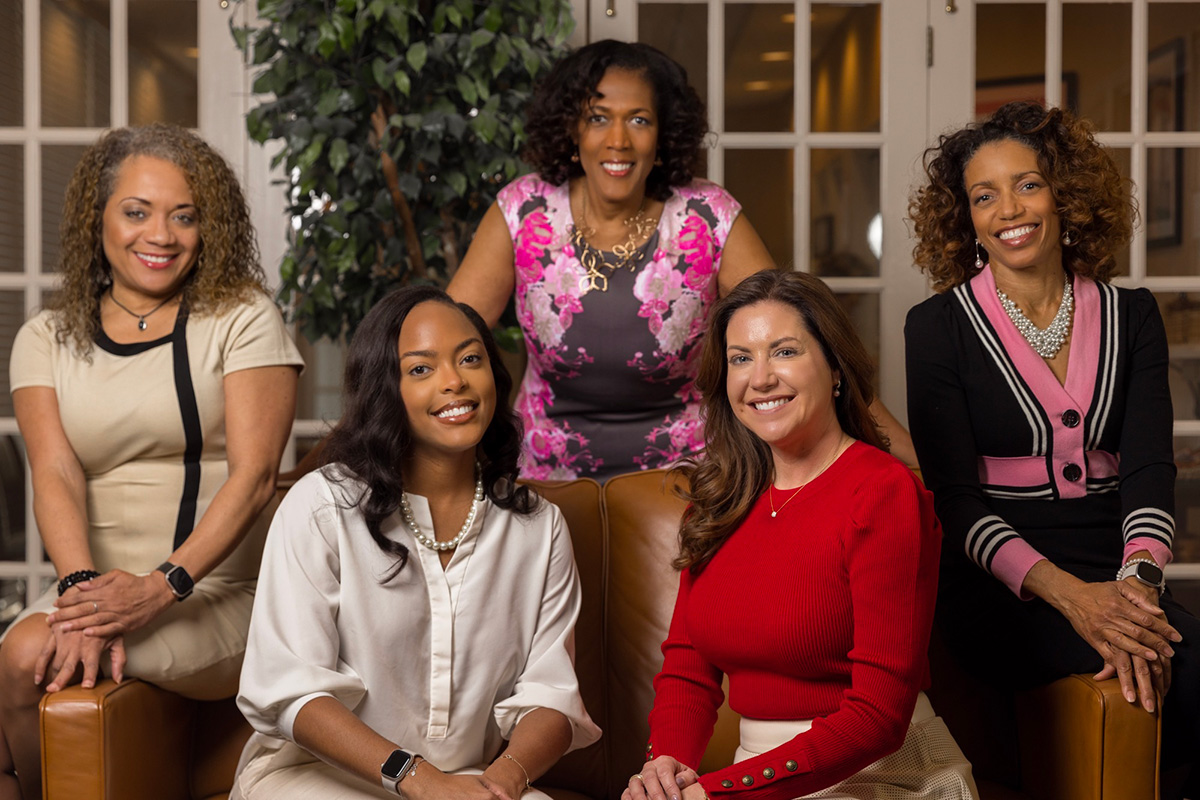
At Rosa Gynecology, Drs. Mironda Williams, Deanna Guthrie, and Karen Greene understand how disruptive heavy or unpredictable periods can be to your everyday life. Working side by side with our nurse practitioners, Mary Corbitt, APRN, and Brittany Bulger, APRN our all-female team brings both deep clinical expertise and personal understanding to your care. Because we are women taking care of women, we take the time to listen, uncover the exact root cause of your bleeding using advanced diagnostics like on-site ultrasounds, and build a tailored treatment plan that fits your lifestyle.
Call us today at 770-487-9604 to schedule your evaluation.
Frequently Asked Questions
How much bleeding is actually considered “heavy”?
There’s a clinical definition, but the more useful everyday guide is impact: soaking through protection every one to two hours, periods lasting more than seven days, or bleeding heavy enough to interfere with your normal activities all count as heavy, regardless of the exact volume.
Is heavy bleeding always caused by fibroids?
No. Fibroids are the most common structural cause, but hormonal imbalance, polyps, cysts, and other conditions can all cause heavy bleeding without any fibroids present. Diagnosis is what tells the two apart.
Can heavy bleeding cause anemia?
Yes. Ongoing heavy or prolonged bleeding is a common cause of iron-deficiency anemia, which is why bloodwork is often part of the evaluation if you’re experiencing fatigue or dizziness alongside heavy periods.
Do I need an ultrasound for heavy bleeding?
Often, yes, since it’s the most direct way to look for fibroids, polyps, or other structural causes. Your physician will decide what’s needed based on your history and exam first.
Will birth control help with heavy bleeding even if I don't need contraception?
Often, yes. Hormonal birth control and hormonal IUDs are commonly used specifically to lighten heavy periods, separate from their use for pregnancy prevention.
Is heavy bleeding a normal part of perimenopause?
Heavier or less predictable bleeding is common during perimenopause due to shifting hormone levels, but “common” doesn’t mean it should be ignored. It’s still worth an evaluation to rule out other causes and to talk through options for managing it.
When does heavy bleeding need urgent attention rather than a scheduled visit?
If you’re soaking through protection every hour for several hours, feeling lightheaded or short of breath, or experiencing any bleeding after menopause, call rather than wait for your next appointment.