
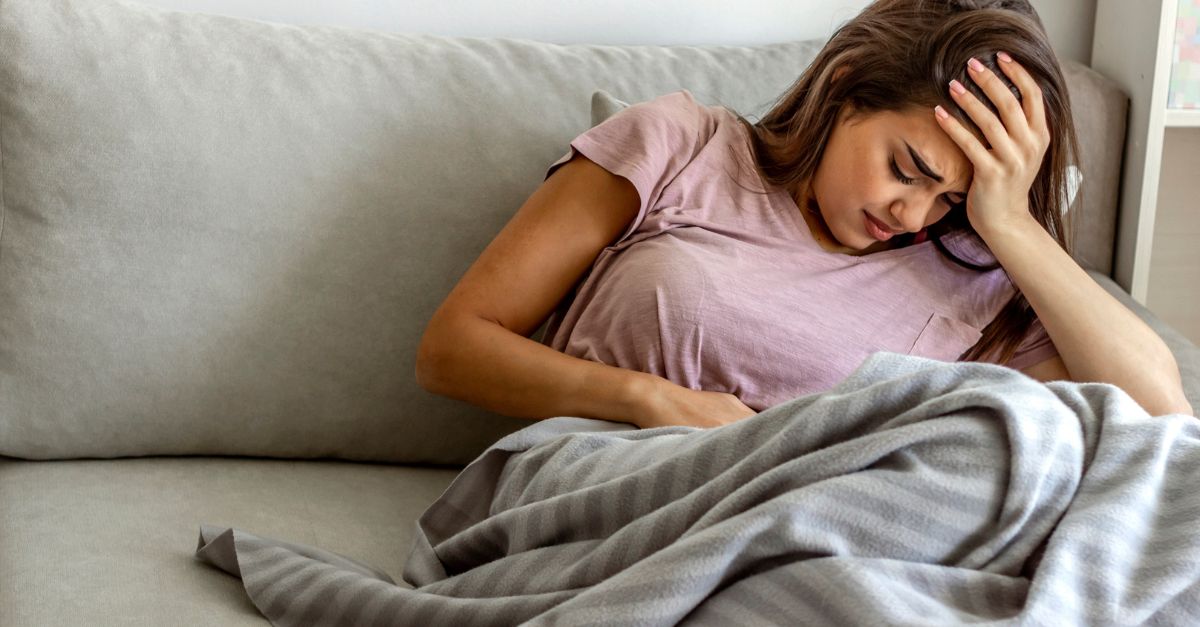
When your period hits, do you find yourself reaching for extra pads, stressing about leaks, and feeling depleted in the process? For many women, a heavy menstrual cycle may seem like the typical run-of-show.
At Rosa Gynecology, we’re here to remind you that heavy menstrual bleeding could be a sign of uterine fibroids. These noncancerous tumors can grow in or on the wall of the uterus. While they’re basically not dangerous, they can cause painful symptoms and physical complications that require medical attention.
According to the National Institute of Child Health and Human Development, uterine fibroids are the most common non-cancerous tumors in women of childbearing age.
Taking that into account, here are three of the key clues that indicate your heavy flow might be due to uterine fibroids.
Clue #1: Bleeding Lasts More Than Seven Days
The Apple Women’s Health Study found that menstrual cycle lengths varied by, on average, four to 11 days depending on age. However, if you have periods lasting more than seven days, it could be due to fibroids. Other signs include bleeding so much you have to change your pad or tampon every hour for several hours back-to-back; change pads in the middle of the night; or need to wear multiple pads at a time to stop leaking. If you pass blood clots at least the size of a quarter several times a day and the period itself hinders your daily activities, fibroids could be the culprit.
Clue #2: Constant Pelvic Pressure or Fullness
You know the drill. For many women, menstrual cramps in the lower abdomen drop before and during their periods. However, if you’re experiencing a consistent pressure, fullness, or bloating in that same area, it could point toward fibroids. Fibroids add physical volume to the uterine wall, and larger fibroids are known to press against adjacent organs, which can lead to constipation or frequent urination.
Clue #3: Severe Pain
Are you feeling sharper, more severe pain throughout your entire menstrual cycle, not just during the first few days of bleeding? Fibroids may be the reason. Take note if over-the-counter medication isn’t touching the pain, you’re experiencing pain during sex, or you have chronic lower back or leg pain.
When to See a Doctor
In addition to any of the aforementioned symptoms, watch out for spotting or bleeding between periods or experiencing ongoing fatigue. If one or more of these signs pop up on your radar, schedule an appointment with your physician.
Rosa Gynecology Can Help With Your Fibroids
At Rosa Gynecology, we help patients manage chronic gynecologic conditions such as uterine fibroids with personalized medical evaluation and both surgical and nonsurgical options.
To discuss a possible case of uterine fibroids, call 770-487-9604 or schedule an appointment online.
Q&A Recap
What are uterine fibroids?
Uterine fibroids are noncancerous tumors that can grow in or on the wall of the uterus.
Are uterine fibroids dangerous?
Although they are benign, uterine fibroids can cause painful symptoms and physical complications that require medical attention.
How do I know if my heavy period is actually caused by uterine fibroids?
Signs of uterine fibroids can include:
- A period that involves heavy bleeding and lasts longer than seven days.
- Persistent pelvic pressure, fullness, or bloating.
- Severe pain, including sharper-than-typical discomfort, painful sex, or chronic lower back or leg pain.
- Spotting or bleeding between periods.
- Consistent fatigue.
When should I consult a doctor about uterine fibroids?
If you experience any symptoms of uterine fibroids, it is important to schedule an appointment with a gynecologist, who can discuss management and treatment options.